Looking for a SwagUp alternative? FLYP runs a permanent branded store where employees pick what they actually want, and each item is made to order in 1–2 days. No bulk orders. No 3–4 week lead times. No HR managing logistics. Here's how the two compare.
If you've ended up here, you're likely searching for an alternative to SwagUp — or weighing the two side by side. They're closer than they look on the surface: both ship globally and both carry premium product. What actually differs is the operating model. This guide walks through the differences honestly, so you can decide which fits the way your team works.
The short version
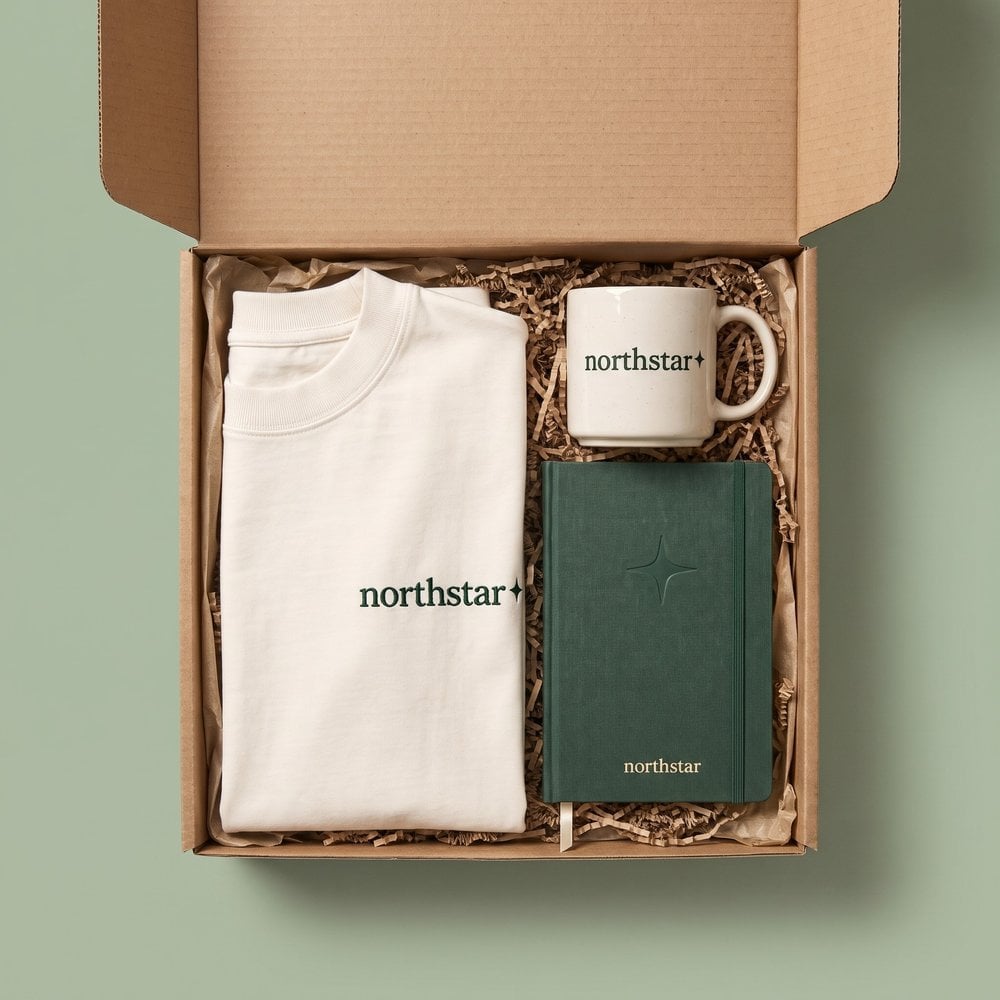
SwagUp is built around kits, ordered by HR. You design a swag pack, place a bulk order (minimum 25 units), and it ships 3–4 weeks later. HR owns the order, the inventory and the distribution. It works when you know what you need, when you need it, and how many you want.
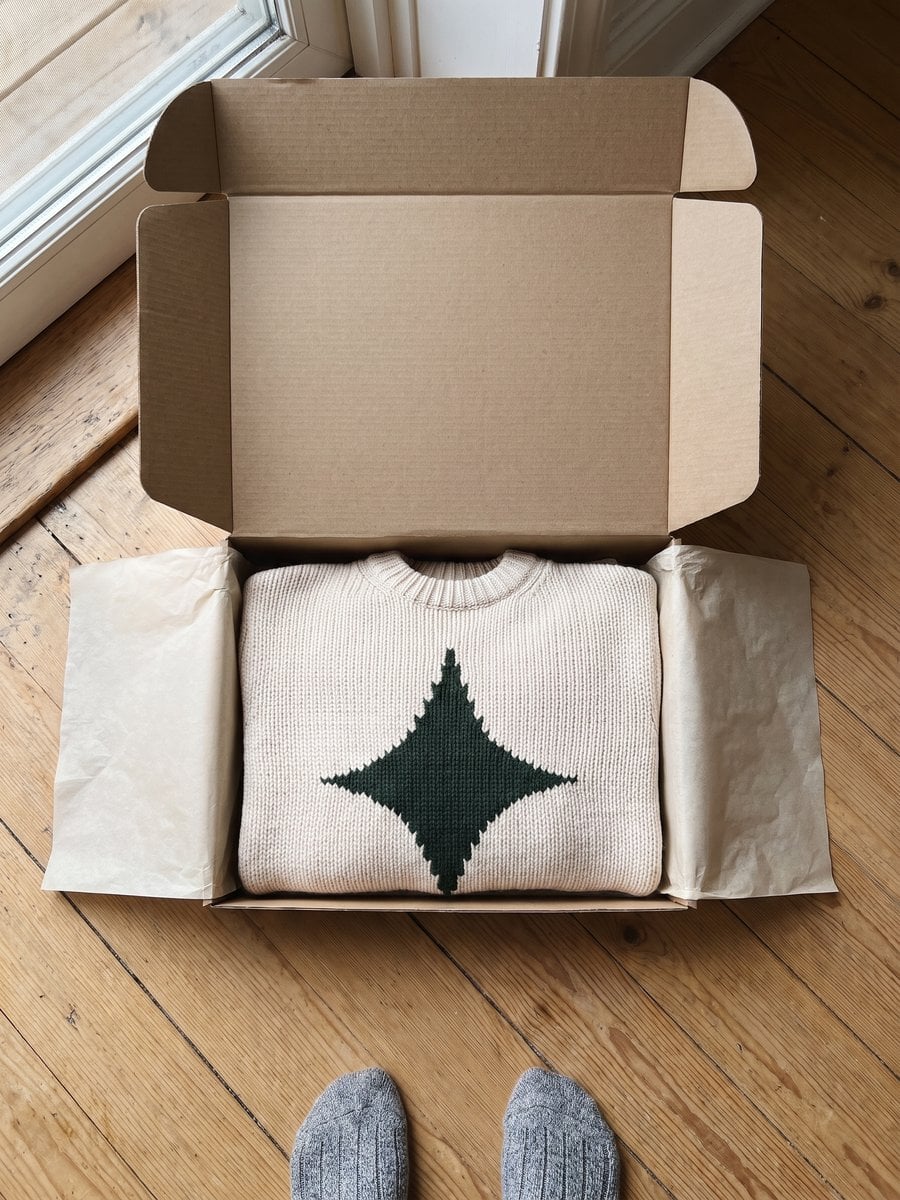
FLYP is the SwagUp alternative built around an employee store. FLYP designs your branded store, you approve it, and it stays live. The company funds an allowance — the Merch Wallet — and your employees sign in and pick what they actually want: their size, their style, the color that suits them. Each item is made to order in 1–2 days at the nearest of FLYP's 15 production sites and delivered to 190+ countries. HR sets the budget. FLYP handles production, shipping, tracking, returns and support.
Both models work. They suit very different ways of operating — and they ask very different things of your HR team.
Why teams switch from SwagUp to FLYP
Most teams looking for a SwagUp alternative are running into one of three things:
- The 25-unit minimum is too high for one-off needs — new-hire kits, ad-hoc gifting, smaller offsites.
- The 3–4 week lead time doesn't match the speed the team actually moves at.
- HR is spending too much time on logistics — chasing sizes, distributing, dealing with leftover inventory.
FLYP solves all three. No minimums. Each item made to order in 1–2 days. Employees order for themselves, not through HR.
How FLYP and SwagUp compare
| FLYP | SwagUp | |
|---|---|---|
| Who orders the merch | Employees, from the company store | HR, in bulk |
| Operating model | Always-on branded store | Scheduled bulk kit drops |
| Minimum order | None — one item | 25 units |
| Turnaround | Each item made to order in 1–2 days | 3–4 weeks custom; 2–3 weeks SpeedUp |
| Initial setup | FLYP designs the store; live within 48 hours | Kit design, then bulk production |
| Personalization | Per employee — size, style, color | Per kit, generally uniform |
| Production | 15 production sites, delivery to 190+ countries | Ships from NJ warehouse, customs handled |
| Pricing | Scoped per program on a demo call | Published tiers + products |
| HR's role | Set the budget, let employees order | Plan, order, store, distribute |
Self-serve, not HR-served
This is the part that changes the day-to-day. With SwagUp, HR is the buyer for the entire team. They have to predict what people will want, what sizes they'll need, how many to order, and when. They have to chase delivery. They have to distribute. They have to deal with the leftover XLs nobody asked for.
With FLYP, HR sets the policy — a $100 new-hire allowance, an offsite kit budget, an anniversary credit — and employees take it from there. They sign in, pick what they want from your branded store, and the item arrives at their door. HR steps out of the logistics entirely.
For distributed teams especially, the time saved is significant. No more spreadsheets of sizes. No more "can you forward me your delivery address." No more guessing.
The bulk-drop problem
SwagUp's model assumes you can plan. Decide what kit you want this quarter. Place a bulk order for 25, 50, 200. Wait three to four weeks. Distribute when it lands. Repeat next quarter.
That works when you have a predictable cadence — a quarterly drop, a seasonal kit, a known events calendar. But it breaks the moment someone joins next Tuesday. Or the offsite gets pulled forward. Or someone changes size between order and delivery. Or half the team wants the hoodie and the other half wants the tote.
FLYP runs differently. The store is designed once and stays live. Each item is made to order in 1–2 days. There's no "wait until the next quarterly drop." There's just a store, always on, that your team owns.
Speed — the four-week problem
The honest comparison:
- SwagUp custom orders: 3–4 weeks to deliver.
- SwagUp SpeedUp (curated pre-stocked range): 2–3 weeks.
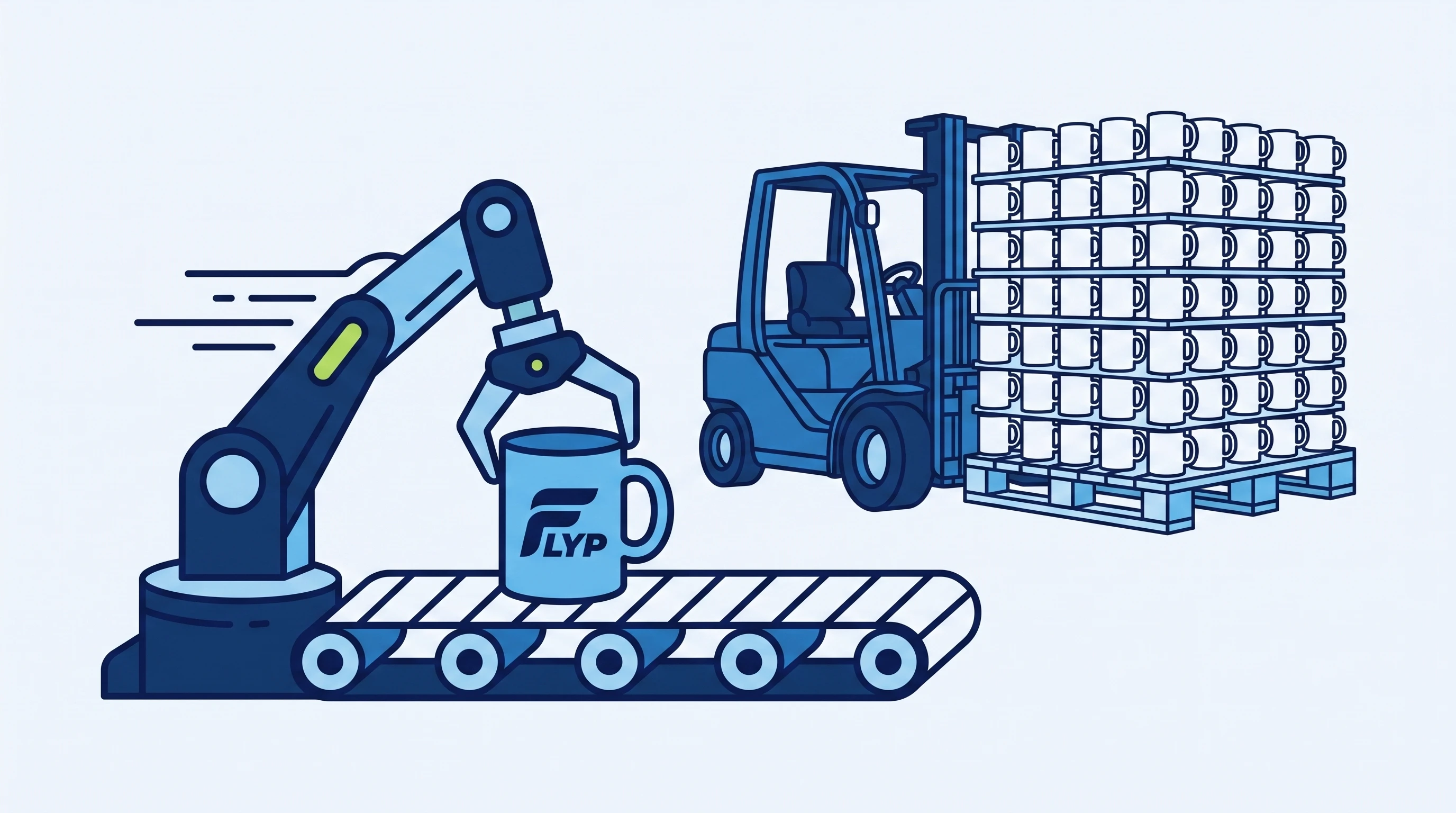
- FLYP: each item made to order in 1–2 days at the nearest production site, then shipped.
If you're sending a kit to a new hire who starts Monday, SwagUp's lead time means they get their welcome merch in week four of their job. With FLYP, it can arrive in time for their first day.
Catalog: Patagonia vs fashion-led FLYP
Honest answer: SwagUp has a strong catalog. They carry Nike, The North Face, Patagonia — proper apparel, not corporate-cheap.
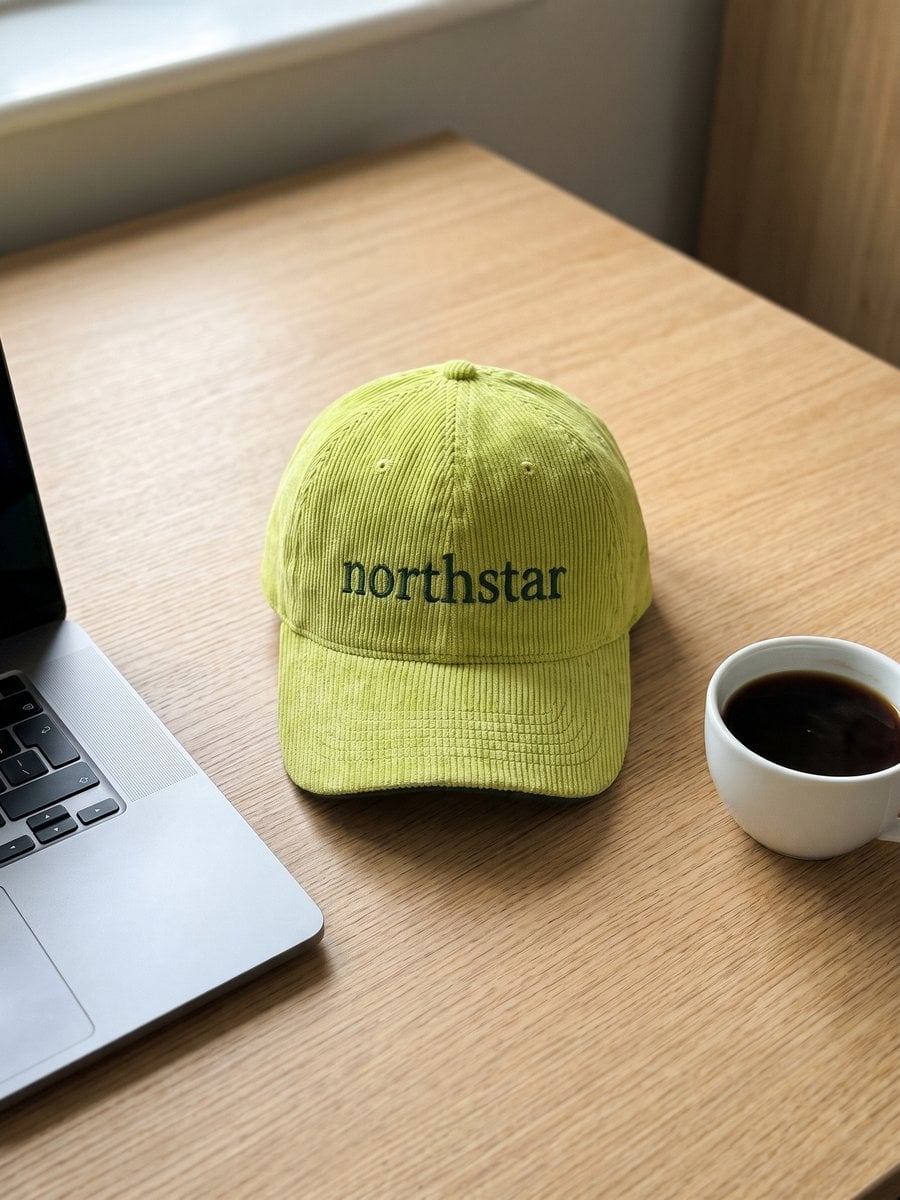
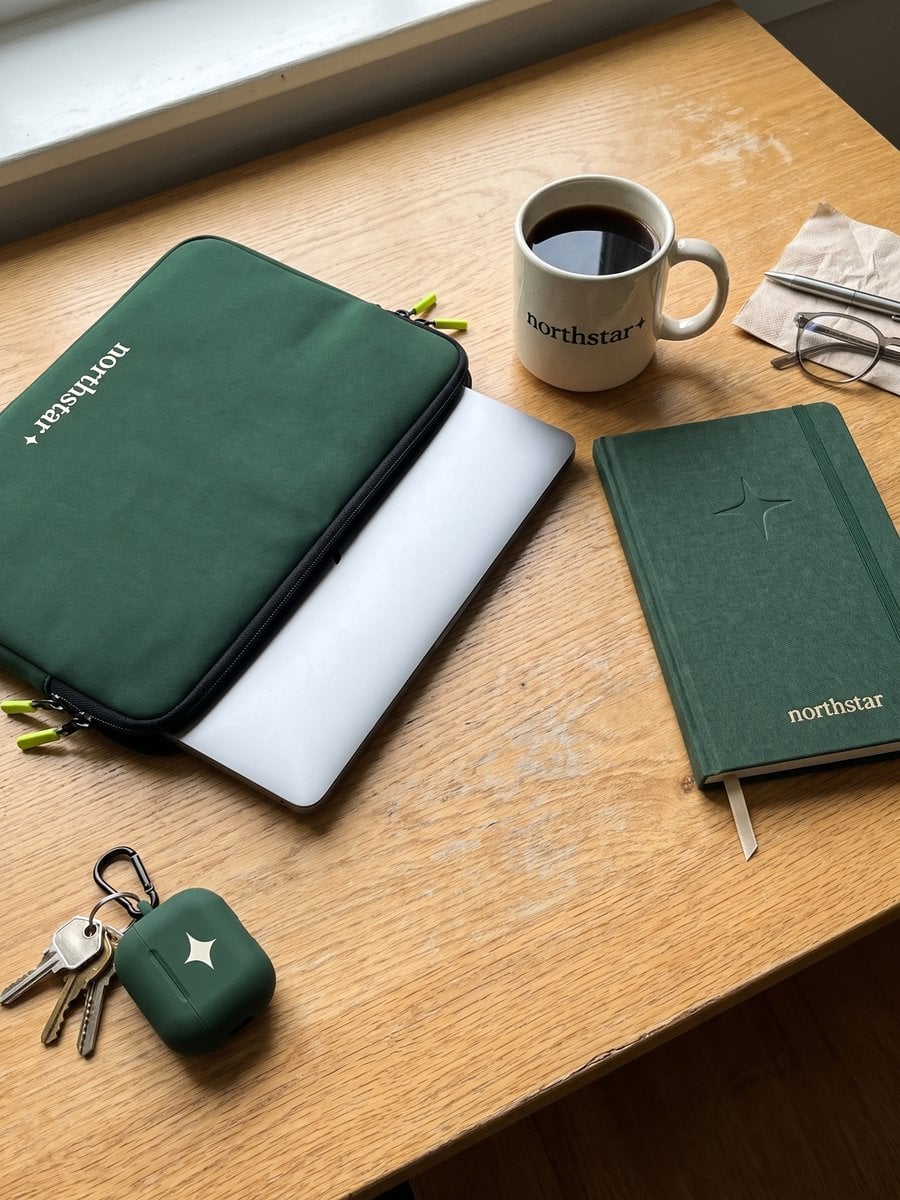
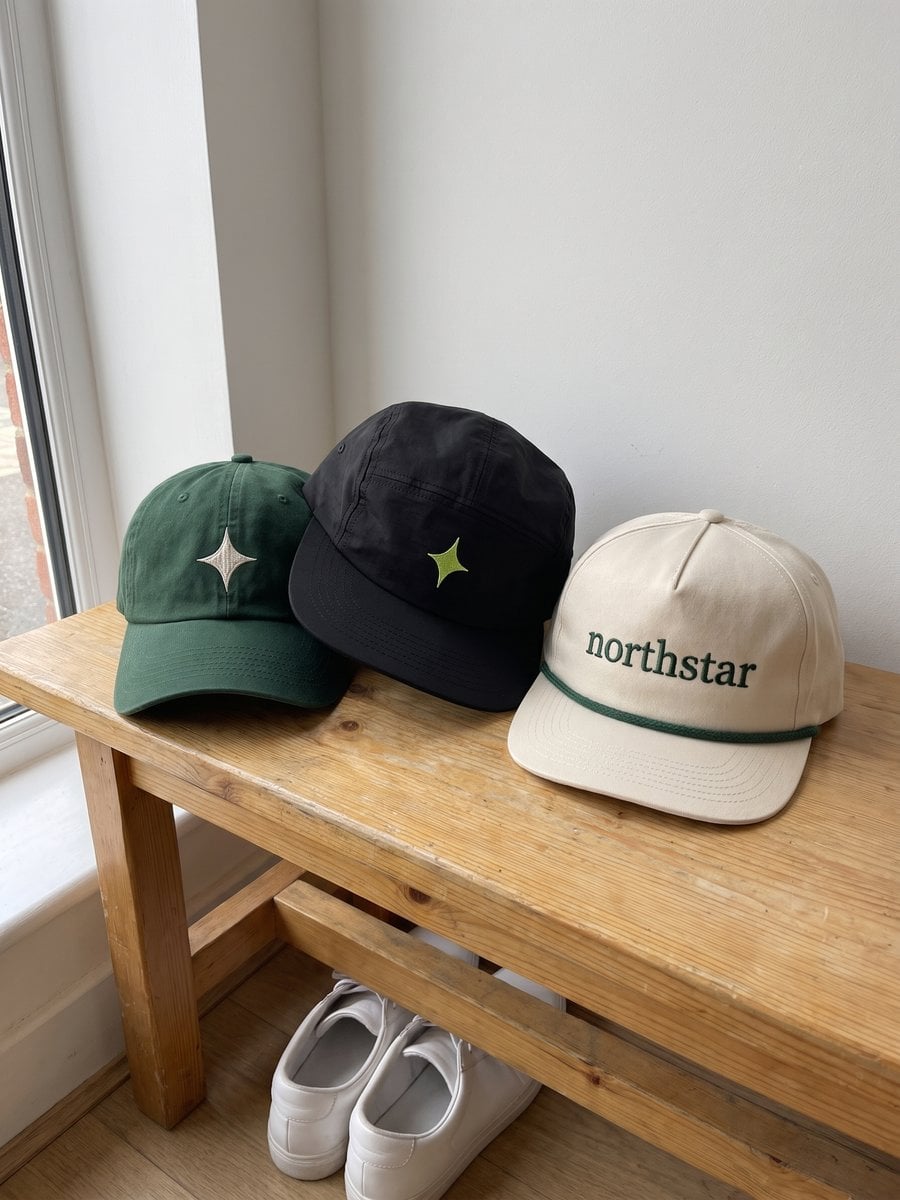
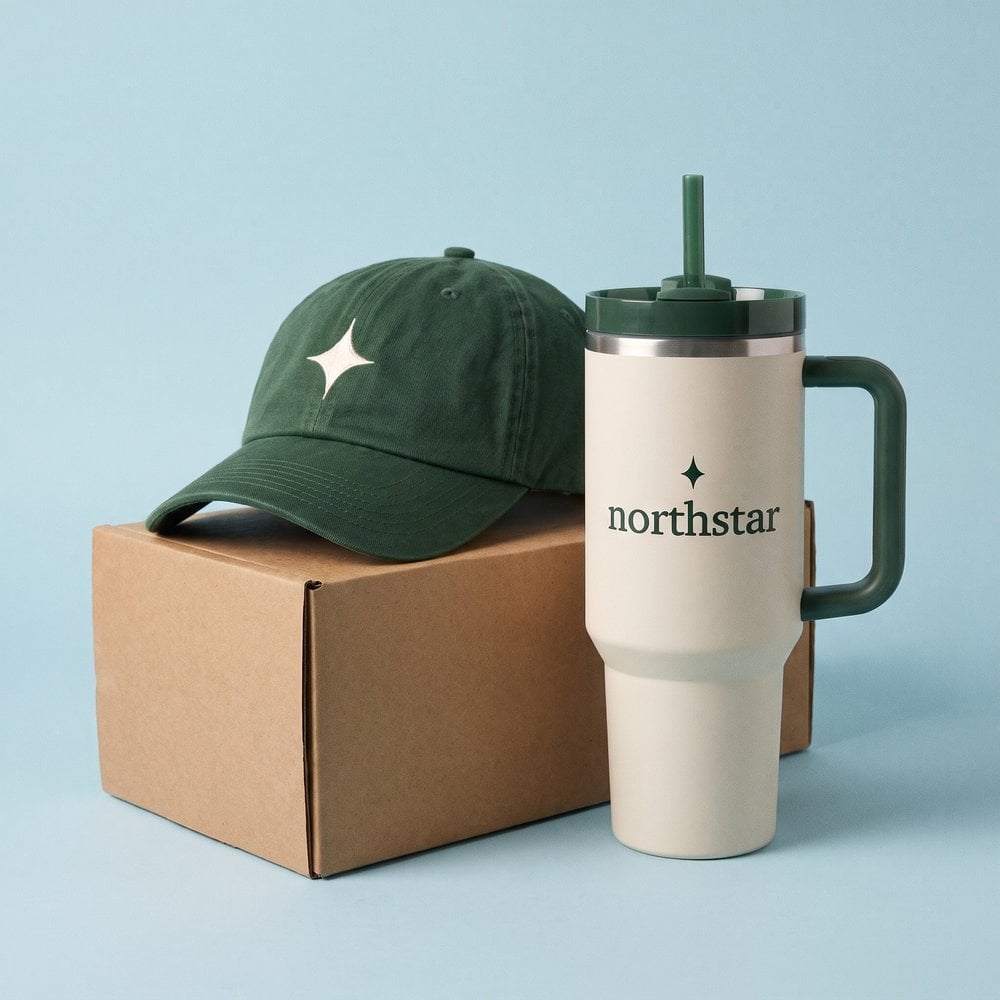
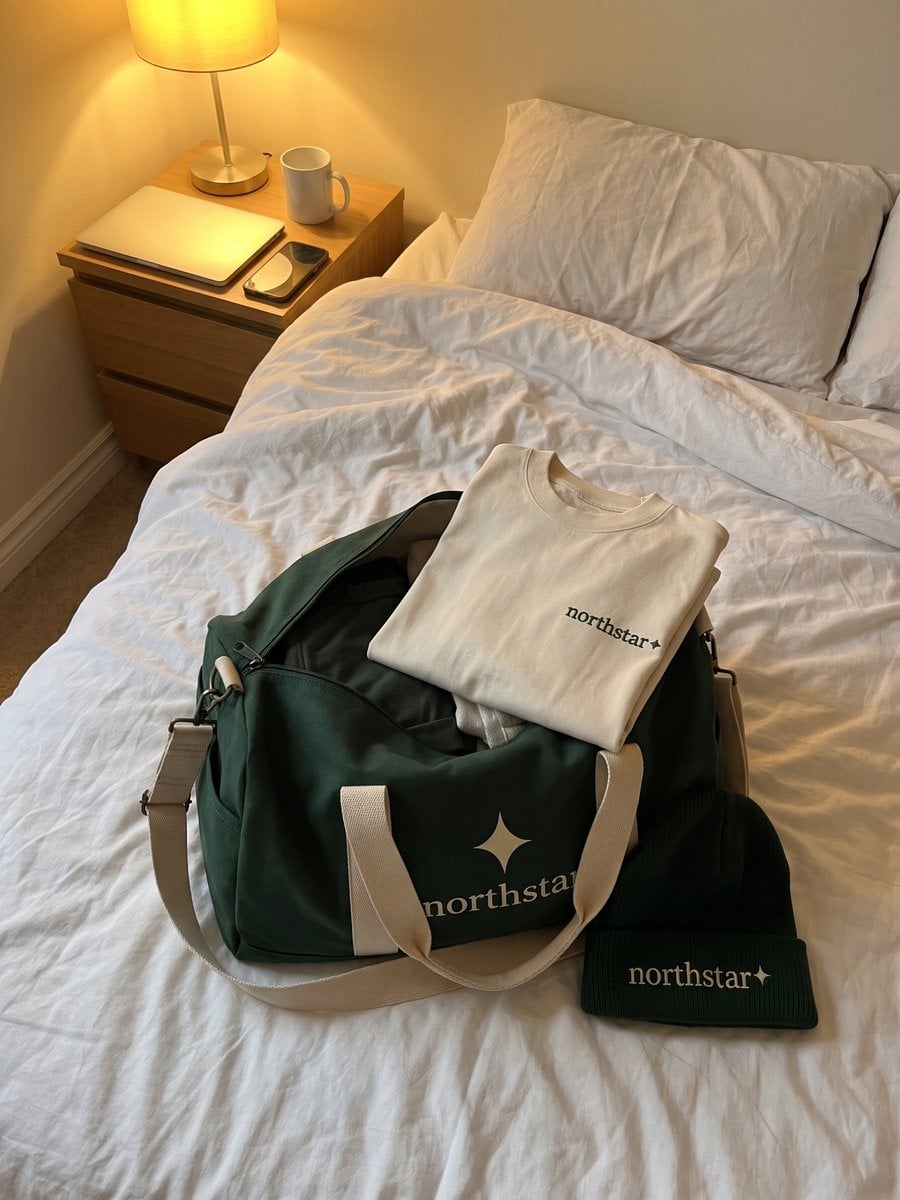
FLYP's catalog is different rather than better. It has 600+ products designed to be branded and personalized at the item level — embroidered hoodies in your colors, garment-dyed tees, accessories — decorated with embroidery, DTG, DTF, HTV or all-over print. Where SwagUp puts your logo on well-known apparel brands, FLYP builds a fully branded merch line designed end-to-end around your identity.
Pick on fit. If you want to put your logo on a Patagonia fleece, SwagUp is the better answer. If you want a fashion-led merch line that feels distinctly yours, FLYP is.
Pricing breakdown
- SwagUp: tiered plans (Free, Silver $99/mo, Gold, Platinum $999/mo) + product costs.
- FLYP: scoped per program on a demo call. No order minimums and no inventory to pre-buy, because every item is made to order.
Bring your headcount and the programs you want to run to a demo and FLYP will scope the cost for your volume.
Is FLYP the right SwagUp alternative for you?
Stick with SwagUp if you run merch in scheduled bulk drops, you can predict needs a month ahead, you're happy for HR to own the ordering loop, and you want to put your logo on well-known apparel brands.
Switch to FLYP if you want an always-on store your team orders from directly, your headcount is changing, you have distributed staff who need fast individual delivery, or you want to get HR out of the merch-logistics business entirely.